That Glowing Review Just Came From Someone Who Never Opened the Box
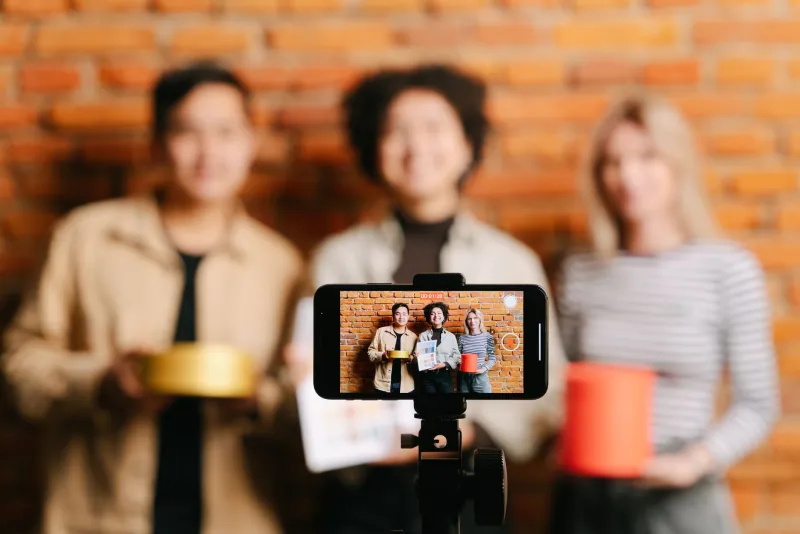
Somewhere right now, a 22-year-old with 4,800 Instagram followers is posting a radiant selfie alongside a serum she received three days ago — still factory-sealed in a mailer bag — captioning it with words like "skin is literally glowing after two weeks" and "code SARAH15 saves you 15%."
She hasn't used it for two weeks. She might not have used it at all.
This is the micro-influencer product collaboration pipeline, and it's become one of the most quietly deceptive corners of online shopping. It's not quite a scam in the traditional sense — nobody's stealing your credit card number — but you're still being misled into spending money on products that have zero credible endorsement behind them. And in some cases, the stuff being sold is outright counterfeit or dangerously unregulated.
Let's break down how this whole ecosystem actually works.
How Brands Find Their Willing Promoters
There's a whole industry of platforms — think AspireIQ, Collabstr, Influencer.co — designed to connect brands with creators of every size. Legitimate companies use these tools responsibly. But the shadier operators have figured out something valuable: micro-creators (generally defined as accounts with 1,000 to 100,000 followers) are desperate for income, brand partnerships feel like validation, and most of them will say yes to almost anything if it comes with a free product and a small commission.
The pitch usually goes something like this: "We love your content and think you'd be a perfect fit for our brand. We'll send you [product] for free, and you'll earn 10–20% on every sale through your unique code."
No upfront payment. No contract requiring the creator to actually test the product. No timeline for review. Just a DM, a shipping address request, and an implied expectation that the creator will post something enthusiastic.
Many do — because not posting feels ungrateful, and because they genuinely want this to become a revenue stream.
The Products Themselves Are Often the Real Problem
Here's where it gets genuinely concerning for consumers. The brands running these micro-influencer campaigns at scale aren't always selling legitimate products. A significant chunk of them are:
- Dropshipping operations sourcing cheap goods from overseas suppliers and slapping a pretty label on them
- White-label resellers buying generic supplements or skincare in bulk with no independent testing
- Outright counterfeit sellers copying packaging from established brands and selling at a slight discount
- Fly-by-night companies that will disappear the moment refund requests pile up
The FTC has guidelines requiring influencers to disclose paid partnerships, but enforcement is spotty — especially at the micro level. And even when a creator dutifully adds #ad to their caption, most followers scroll right past it. The disclosure is technically there. The deception is still real.
What's particularly insidious is that these creators often genuinely believe in what they're posting, at least initially. They received a product for free, they want to feel like they're building something, and enthusiasm is easier than skepticism when you're trying to grow a brand deal portfolio.
Why Micro-Creators Are Specifically Targeted
You might wonder why these shady brands don't just go after bigger influencers. Simple economics: a creator with 500,000 followers charges thousands of dollars per post and often has a manager vetting brand deals. A creator with 5,000 followers will post for a $30 product and feel lucky to do it.
At scale, a brand can recruit 200 micro-creators for the cost of one mid-tier influencer — and statistically, a handful of those 200 will have highly engaged niche audiences that convert really well. It's a numbers game, and the creators absorb all the reputational risk while the brand collects the sales data.
There's also a trust factor that brands are exploiting. Research consistently shows that micro-influencers generate higher engagement rates than mega-influencers. Followers of a 6,000-follower account about budget cooking or apartment plants often feel like they know that person. When that person recommends something, it hits differently than a Kardashian post. Sketchy brands know this and weaponize it.
Red Flags to Watch For as a Shopper
So how do you protect yourself when you're scrolling and something catches your eye? Here's what to actually look at before you pull out your wallet:
Check the creator's posting history. Did they suddenly start posting about a specific product category that has nothing to do with their usual content? A lifestyle account that's never mentioned skincare suddenly pushing a serum brand is a yellow flag.
Look for the disclosure — and what it says. "#gifted" means they got it free. "#ad" means they were paid. "#partner" is vague. None of these automatically mean the product is bad, but they tell you the relationship isn't organic.
Search the brand independently. Not on the brand's own site. Go to Reddit. Search "[Brand Name] review" and "[Brand Name] scam" and see what comes up. Check the BBB. Look at Trustpilot. If a brand has been around for two years and has zero reviews outside of influencer posts, that's a serious concern.
Scrutinize the website. Legitimate brands have clear return policies, physical contact information, and don't rely entirely on influencer-generated content for their social proof. If the only reviews on their site are from people with 3,000 Instagram followers using affiliate codes, you've found your answer.
Ask about testing. If you're genuinely considering a health or beauty product promoted by a small creator, feel free to comment or DM asking how long they've used it and what results they've seen over time. Their response — or lack of one — will tell you a lot.
What About the Creators? Are They Scammers Too?
Honestly? Most of them aren't intentionally deceiving anyone. They're underpaid, under-resourced, and operating in an industry that has very little formal training or ethical guardrails. A 19-year-old with a TikTok account isn't necessarily equipped to vet the supply chain integrity of a supplement company that slid into their DMs.
That doesn't mean they're blameless. Posting enthusiastic reviews of products you've had for 48 hours is misleading, full stop. But the real accountability sits with the brands engineering this system — and with the platforms and regulators who've been slow to crack down on it.
The FTC updated its endorsement guidelines in 2023, placing more responsibility on brands to ensure their influencer partners are being truthful. Whether that translates to real enforcement at the micro level remains to be seen.
The Bottom Line
Influencer marketing isn't inherently a scam. There are plenty of creators who genuinely test products, maintain real relationships with reputable brands, and disclose honestly. But the micro-influencer ecosystem has a serious exploitation problem — one that puts both creators and consumers at risk.
Before you trust a glowing recommendation from someone with 4,000 followers and a discount code, do five minutes of independent research. That's usually all it takes to figure out whether you're looking at a genuine endorsement or a pretty package that's never been opened.