Sealed Doesn't Mean New: The Repackaging Racket Turning Used Electronics Into 'Fresh Out the Box' Listings
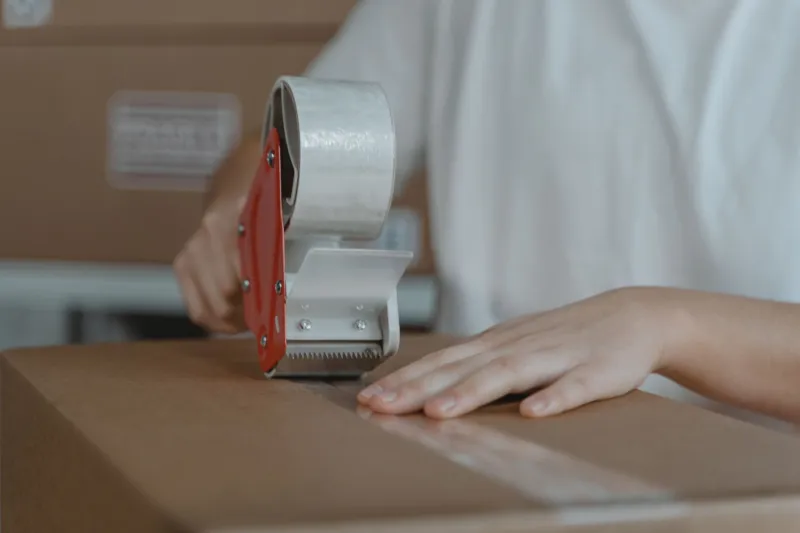
There's something deeply satisfying about peeling that first strip of factory seal off a brand-new gadget. The tight plastic wrap, the resistance when you lift the lid, the smell of fresh electronics — it all signals you're the first person to touch this thing. Scammers know that. And they've gotten really, really good at faking every single part of that experience.
Across Amazon, eBay, Facebook Marketplace, and dozens of smaller platforms, a well-organized gray market has quietly turned refurbished, returned, and open-box electronics into convincing "new" listings. The operation is more sophisticated than most shoppers realize, and the financial damage — both to individual buyers and to legitimate sellers — runs into the hundreds of millions of dollars annually.
Where Do These Devices Actually Come From?
The supply chain for disguised refurbs usually starts somewhere mundane: a big-box retail return desk.
When a customer returns a laptop or a pair of wireless earbuds, most major retailers don't send it back to the manufacturer. Instead, it gets routed to a liquidation auction — pallets of returned and open-box merchandise sold in bulk to third-party buyers for pennies on the dollar. Companies like B-Stock and Liquidity Services run these auctions legally and above board. The problem is who's buying.
Some buyers are legitimate refurbishers who clean up the devices, test them, and sell them honestly as refurbished. Others are not. Shady operators purchase the same pallets, source shrink-wrap machines, replacement seals, and even replica manufacturer stickers from overseas suppliers, then spend an afternoon making a returned Galaxy S24 look like it just rolled off a Samsung assembly line.
Manufacturer-style heat-shrink wrap is not hard to find. Replacement serial number stickers can be sourced through certain gray-market wholesale channels. Some sellers even reprint box artwork on high-quality printers to replace scuffed or torn packaging. The result is a device that looks factory-sealed but has already been opened, used, and potentially repaired or stripped of original accessories.
The Listing Language That Should Raise Red Flags
Most marketplace platforms require sellers to accurately describe product condition — new, used, refurbished, etc. But the rules only work if they're enforced, and enforcement is inconsistent at best.
Watch for these red flags in product listings:
"New (Other)" — This is Amazon's own condition label for items that are technically new but in non-original or damaged packaging. Sellers sometimes use it as a catch-all to offload items that don't qualify as truly new without technically lying in the listing.
Vague language like "sealed," "unopened," or "mint condition" without the word "new" — These descriptors don't carry the same legal weight as stating an item is new, giving sellers wiggle room if questioned.
Third-party seller listings priced 15–30% below retail — Legitimate new electronics rarely get discounted this aggressively on marketplace platforms unless there's a sale. If the price seems too convenient, it probably is.
Missing or generic product photos — Authentic new products usually have manufacturer-specific packaging photos. If the listing uses a stock image or the box looks subtly off (different font weight, misaligned logo), that's worth investigating.
What Happens When You Open the Box
The moment of truth usually comes when the package arrives. Here's what buyers who've received disguised refurbs consistently report:
- Battery already degraded. New lithium batteries hold a charge very close to 100%. A "new" phone showing 89% maximum capacity on first boot has clearly been used.
- Pre-existing scratches or wear marks, particularly around charging ports and buttons.
- Missing accessories — earbuds that should come with three sizes of ear tips but only have one, or a laptop missing its original documentation booklet.
- A device that's already been activated or paired to a previous user's account, sometimes requiring a factory reset just to set up.
- Serial number mismatches between the box and the device itself — a telltale sign of a repackaging job.
How to Protect Yourself Before You Buy
You don't have to be a tech expert to spot these scams. A few simple habits go a long way.
Check the seller's feedback specifically for electronics. Scroll through recent reviews and look for complaints about condition misrepresentation. One or two is noise; a pattern is a warning.
Buy directly from brand-authorized storefronts. Amazon's own retail listings and manufacturer-run stores on major platforms are far safer than third-party sellers. Apple, Samsung, and most major electronics brands have official marketplace presences.
Use a credit card, not a debit card. Credit card chargebacks give you meaningful recourse when a seller disputes your return claim. Debit card disputes are harder to win and slower to resolve.
Verify the serial number immediately. Most manufacturers — Apple, Samsung, Sony — let you check a device's warranty status and purchase date online using just the serial number. If a "new" device shows a warranty start date from six months ago, you know what happened.
Film yourself opening the package. This sounds excessive until you need to dispute a claim. A continuous unboxing video is the most compelling evidence you can provide to a platform or your credit card company.
The Verdict
Factory seals are not a guarantee of anything when you're shopping third-party marketplace listings. The physical materials needed to fake them are cheap, widely available, and disturbingly easy to use. Until platforms invest in more rigorous seller verification and condition-labeling enforcement, the burden of proof falls squarely on the buyer.
Shop skeptically. Verify everything. And remember: if that brand-new MacBook is $300 cheaper than every other listing, the missing $300 is probably sitting in a scammer's pocket right now.