Your Favorite Creator Didn't Make That: The Counterfeit Merch Racket Hiding Behind Influencer Collabs
You're scrolling Instagram or TikTok when an ad stops you cold. Your favorite lifestyle creator — the one you've followed for years — just dropped a limited-edition hoodie collab with some boutique streetwear brand. The design is fire, the price feels right, and the caption says "only 48 hours left." You tap the link, punch in your card number, and wait.
Three weeks later, a thin poly mailer arrives from an address in Guangzhou. Inside is a hoodie that looks nothing like the promo photos — wrong color, scratchy fabric, a logo that's slightly off. You go back to the creator's page to complain and realize: they've never mentioned this brand once.
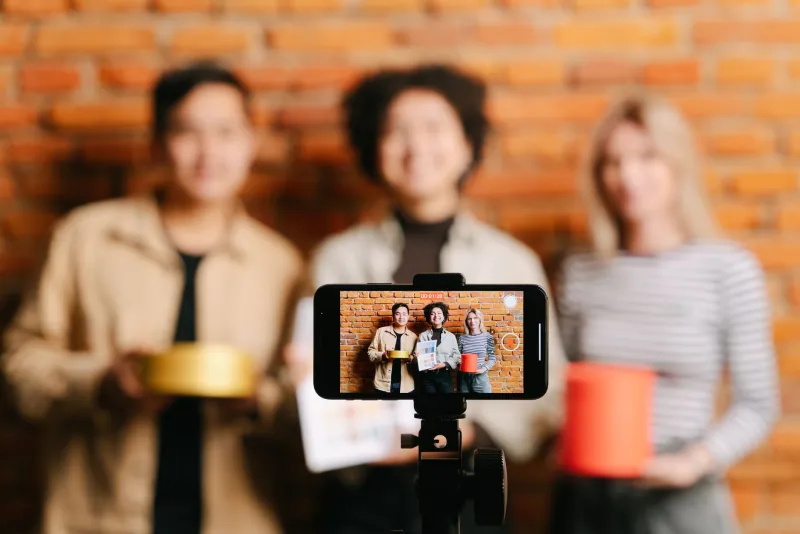
Welcome to the influencer collab con. It's one of the fastest-growing scam formats targeting social media users in the US right now, and it works precisely because it weaponizes something real — the trust you've built with a creator you genuinely like.
How the Scam Actually Works
There are a few different versions of this scheme, and they're not all identical.
The full impersonation play is the most straightforward. A scammer builds a fake storefront — sometimes cloning a real brand's website down to the font — and runs paid ads using an influencer's photos, clips, or even their voice (increasingly via AI). The creator has zero involvement. They don't know their face is selling $12 dropshipped hoodies to their own followers.
The fake collab announcement is a step more sophisticated. Here, fraudsters create accounts that mimic either the influencer or the brand they're supposedly partnering with. They'll post staged "collab reveal" content, use stolen promo graphics, and even fabricate screenshots of the creator hyping the drop. By the time anyone figures out the creator never signed off on any of it, thousands of orders have already been placed.
The gray-zone situation is murkier and honestly more unsettling. Some influencers — especially smaller creators trying to monetize — unknowingly agree to promote products from dropshipping operations that source counterfeit or wildly misrepresented goods. The influencer gets a modest affiliate fee or free product, posts the review in good faith, and doesn't realize until their comments section erupts that their audience got burned. Legally, this is complicated. Morally, it's a mess.
Why This Scam Hits So Hard
Normal ad skepticism doesn't really apply here. When you see a random brand pushing a product, your guard goes up. But when it looks like someone you follow for years is co-signing something, your brain shortcuts the vetting process. That parasocial trust is exactly what scammers are monetizing.
Limited-edition framing makes it worse. "Drop" culture — borrowed from sneaker releases and streetwear — conditions fans to act fast and ask questions later. Scammers know this. They build in artificial scarcity ("only 200 units!"), tight countdown windows, and hype language that mirrors what real collab drops actually sound like. By the time you'd normally pause and verify, the "sale" is supposedly almost over.
Red Flags Worth Slowing Down For
Before you hand over your payment info on any influencer merch drop, run through this checklist:
-
Is the announcement only showing up in ads? Legitimate creator collabs get announced on the creator's own channels — their main feed, their Stories, usually a YouTube mention. If you only encountered this through a sponsored post or a third-party account, that's a problem.
-
Does the store URL match the brand? Scam storefronts often use domains that are close but off — think "nikexcreator-drops.com" instead of a clean, verifiable URL. Check the domain age on a free WHOIS lookup tool. A store that's three weeks old selling "exclusive" merch is a red flag.
-
Can you find the collab mentioned anywhere else? Google the creator's name plus the brand name. If the only results are the ad you already saw, that's a serious warning sign. Real collabs generate press, fan posts, and creator content across multiple platforms.
-
What's the return and refund policy? Counterfeit merch operations typically bury their policies in vague language or make returns functionally impossible — especially if the item has to ship back to an overseas address at your expense.
-
Does the payment page feel off? Look for HTTPS, recognize the payment processor, and be wary if the only accepted method is Zelle, Venmo, or crypto. Legit merch operations use Stripe, PayPal, or standard card processors that offer buyer protection.
How to Verify a Real Creator Collaboration
The fastest way to confirm a collab is real? Go directly to the creator's verified accounts — not the account that ran the ad, not a fan page, the actual verified profile — and look for the announcement there. Real partnerships almost always include multiple posts, behind-the-scenes content, and direct links from the creator's own bio.
For bigger brand collabs, check the brand's official website and social accounts too. A legitimate partnership gets promoted from both sides. If only one side seems to know about it, you already have your answer.
You can also reach out directly. Most creators with mid-size audiences are still reachable through DMs or email. A quick "Hey, is this collab real?" message takes thirty seconds and could save you $80.
What Happens When You Get Burned
If you've already ordered and something feels wrong, act quickly. Dispute the charge with your credit card company — card networks have strong buyer protection for merchandise that doesn't arrive as described or doesn't arrive at all. If you paid via PayPal, open a dispute through their resolution center.
Report the fake storefront to the FTC at ReportFraud.ftc.gov and flag the ad directly on whichever platform you saw it. Meta and TikTok both have ad reporting tools, and enough reports can get a scam operation pulled faster than you'd expect.
Also consider tagging the real creator in your report. Many influencers actively want to know when their likeness is being used to scam their own audience. Some have legal teams that can move on this stuff quickly.
The Bottom Line
Influencer culture has built something genuinely powerful: communities of people who trust each other and the creators they follow. Scammers didn't build that trust — they're just stealing it. The merch drop that feels too exciting to verify is precisely the one that deserves a hard look before you buy.
Real collabs can wait thirty seconds while you confirm they're real. Fake ones can't afford for you to slow down. That urgency you're feeling? That's the scam talking.