Your Dying Pet Deserves Better Than a $280 Supplement With Zero Proof It Works
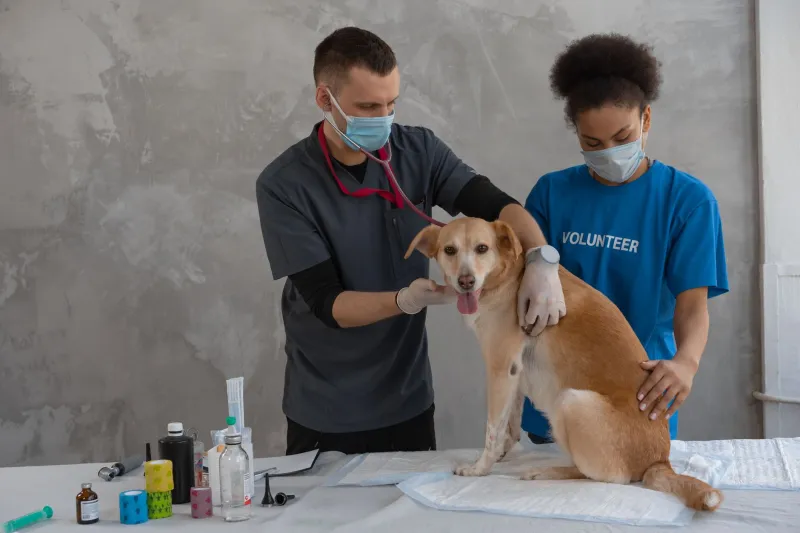
If your dog has been diagnosed with arthritis, cancer, kidney disease, or any condition that comes with a grim prognosis, you already know the feeling. You'll try almost anything. That's not weakness — that's love. And scammers know it better than anyone.
The pet supplement industry has become a playground for predatory marketers who understand that a desperate pet parent is one of the most reliable customers in consumer culture. They'll spend money, they'll give it a try, and they'll often convince themselves it's working because the alternative — that it isn't — is too painful to accept.
The Size of the Problem
The US pet supplement market is worth billions, and it's growing fast. But here's the thing: unlike human pharmaceuticals or even human dietary supplements, the regulatory oversight for pet health products is genuinely thin. The FDA has some authority over pet food and veterinary drugs, but a product labeled as a "supplement" — not a drug — occupies a murky middle ground that companies exploit aggressively.
That means a brand can sell you a "hip and joint support chew" with zero clinical evidence that it does anything, as long as they're careful about how they word the claim. They can't say "treats arthritis." But they can say "supports joint mobility" while showing you a video of a limping golden retriever running through a field. The implication is the same. The legal exposure is different.
How the Marketing Machine Works
These products find you through TikTok ads, Instagram Reels, and Google Shopping listings. The targeting is sophisticated — if you've searched for dog arthritis remedies, senior cat food, or pet cancer support, you're already in the funnel.
The ads follow a formula. Emotional hook first: a slow-motion video of an elderly dog struggling to get up, set to soft music. Then the pivot: "We were heartbroken. Then we found [Product Name]." Then testimonials — often from accounts that are suspiciously new or have a small but oddly enthusiastic follower count. Then urgency: "Only 3 bottles left at this price."
The products themselves vary. Fake or low-quality CBD oils are a major category — the pet CBD market has almost no quality standardization, and third-party lab testing is inconsistently performed or outright faked. "Veterinary-formulated" is a phrase that appears on products that have never been near an actual veterinarian. "Clinically proven" gets attached to ingredients that were studied in completely different contexts, or in studies so small they're statistically meaningless.
Pricing is often designed to feel premium as a credibility signal. If it costs $280 a month, it must be serious medicine, right? Wrong. High price points are a manipulation tactic, not an indicator of efficacy.
The Fake Vet Endorsement Pipeline
One of the more sophisticated versions of this scam involves manufactured veterinary credibility. A company will create a website with a stock photo "Chief Veterinary Officer," list credentials that can't be verified, and use that persona to lend scientific legitimacy to their product line.
Some go further and create fake "veterinary journals" or "research institutes" — websites that look like academic sources but exist solely to generate citations for the product's marketing claims. If you see a product citing a study from "The Institute for Companion Animal Wellness Research" and you can't find that institute anywhere outside the brand's own website, that's a fabricated credential.
Real veterinary endorsements come from licensed vets who are identifiable, searchable, and who discuss the product in contexts outside the brand's own marketing materials.
Red Flags That Should Stop You Cold
No NASC Quality Seal. The National Animal Supplement Council (NASC) is an industry group that maintains quality standards for pet supplements. It's not a government agency, but membership requires audits and adverse event reporting. A company that doesn't have NASC certification isn't automatically a scam, but its absence is worth noting.
Testimonials that read like copy. Real reviews have specificity — breed, age, specific condition, timeline. Fake reviews are vague: "My dog is SO much better!" with no details.
Subscription traps. Many of these products default to auto-ship enrollment buried in the checkout flow. Cancellation is often deliberately difficult, and some companies charge for multiple months before customers realize what's happening.
Cure-adjacent language. Any supplement claiming to "reverse" a condition, "eliminate" symptoms, or "cure" a disease is making a drug claim without a drug license. That's an FDA red flag — and a you-should-run flag.
No ingredient transparency. Legitimate supplements list exact ingredient amounts. Proprietary blends that hide dosing information are a common way to include trace amounts of the "active" ingredient while making the label look impressive.
What Legitimate Pet Medicine Actually Looks Like
Your vet is your best resource, and not because vets are infallible — but because a licensed veterinarian who examines your pet and recommends a product has accountability that a TikTok ad does not.
Some supplements do have genuine evidence behind them. Omega-3 fatty acids (specifically EPA and DHA from fish oil) have reasonable research support for joint inflammation in dogs. Certain probiotic strains have legitimate data for GI health in pets. These aren't miracle cures, but they're not snake oil either.
The difference is that a legitimate product will point you to real published research, won't promise outcomes it can't deliver, and will have a clear ingredient label with verifiable sourcing.
What to Do If You've Already Bought In
If you're on a subscription you didn't clearly sign up for, contact your credit card company immediately. Unauthorized recurring charges are disputable. Document the checkout flow if you can — screenshots of what you agreed to versus what you were charged.
Report fraudulent veterinary health claims to the FDA's Center for Veterinary Medicine at fda.gov/animal-veterinary. The FTC also handles deceptive marketing complaints at ReportFraud.ftc.gov.
And talk to your actual vet. Not because your pet's situation is hopeless — sometimes it isn't — but because the person who has examined your animal and reviewed their bloodwork is infinitely more qualified to recommend a treatment path than a sponsored post.
Your pet doesn't have the ability to tell you a supplement isn't working. You're the one who has to make that call — and you deserve accurate information to do it.