DM Me for the Deal: Why Your Instagram 'Luxury Hookup' Is Probably Fencing Stolen Goods
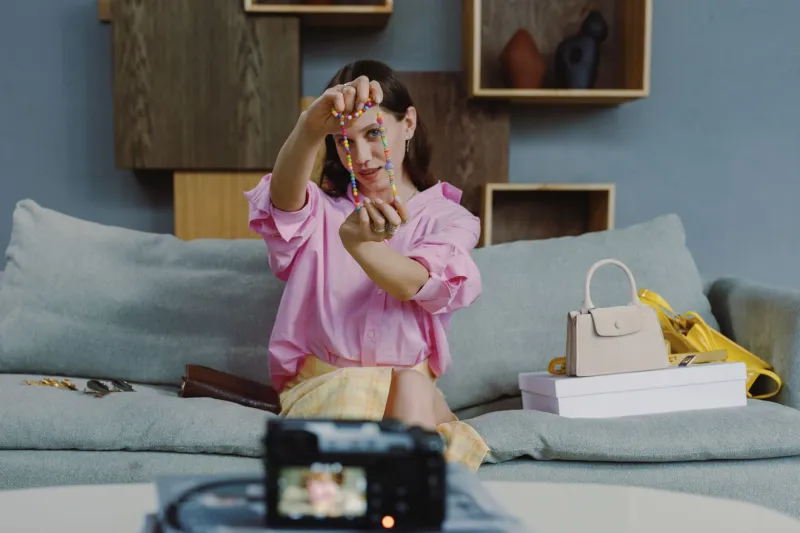
The pitch is always the same. A flashy Instagram account — hundreds of posts, decent follower count, lots of sneaker and designer content — slides into your DMs or posts a story: "Got connects. Yeezy, Supreme, Gucci, LV. DM for prices. Real ones know."
Maybe they've got testimonials in their highlights. Maybe someone you follow even vouched for them. The prices they quote are below retail but not insultingly low — just realistic enough to seem like an actual insider deal rather than an obvious scam.
This is the Instagram personal shopper ecosystem, and it's enormous. It runs on TikTok too, and Discord, and Twitter. And while a small slice of it is legitimate reselling, a disturbing amount of it is something far more serious: organized retail theft, counterfeit distribution, and straight-up fraud — with buyers potentially on the hook right alongside the sellers.
The Three Types of 'Inventory' These Accounts Move
Not every personal shopper account is operating the same scheme, but the inventory sources tend to fall into three categories, and none of them are as clean as the seller wants you to believe.
Counterfeit goods. This is the most common. The market for replica luxury items — fake Rolexes, counterfeit Louis Vuitton, fake Jordans — is a multi-billion dollar global industry. A significant portion of it flows through social media accounts that know how to present product in a way that looks legitimate. The photography is good. The packaging looks real. The seller may even believe their supplier is legitimate. Often, they don't care either way.
Stolen merchandise. Organized retail crime (ORC) is a genuine and growing problem in the US. Professional shoplifting crews target department stores, sneaker boutiques, and electronics retailers in coordinated runs, then move inventory quickly through social media channels. The price point — typically 40–60% of retail — is the tell. There's no legitimate supply chain that produces those margins on in-demand products.
Gray-market diverted goods. Some personal shoppers source from employee theft at warehouses and distribution centers, or from "discount" wholesale suppliers who themselves obtained goods through questionable means. These items may be genuine products, but their chain of custody is compromised.
What Buyers Don't Realize They're Signing Up For
Here's where it gets uncomfortable. Most people who buy from these accounts think of themselves as savvy shoppers getting a deal, not as participants in a criminal transaction. But legally, that distinction matters less than you might hope.
In most US states, knowingly purchasing stolen property is a crime — receiving stolen goods — and ignorance of the theft is not always a complete defense, particularly if the circumstances were suspicious enough that a reasonable person should have known. A pair of $400 Jordans being sold for $180 through an anonymous Instagram DM meets that bar pretty easily.
For counterfeit goods, the situation is also murky. Importing or purchasing counterfeit trademarked goods violates federal law, and while individual buyers are rarely prosecuted, US Customs and Border Protection does seize packages. You can pay for something and receive nothing — with no legal recourse.
And then there's the straightforward scam angle: a meaningful percentage of these accounts simply take your money and vanish. Zelle, Venmo, Cash App, and crypto are the preferred payment methods specifically because they offer buyers zero chargeback protection.
The Social Engineering That Makes It Work
These accounts are good at building trust signals, and it's worth understanding the playbook.
Manufactured social proof. Testimonial highlights are easy to fake. Screenshots of satisfied customers can be fabricated in minutes. Even "real" reviews can come from friends, accomplices, or buyers who received genuine product on the first transaction — before a subsequent batch was swapped for fakes.
Artificial scarcity. "Only got 2 pairs left in your size" is a pressure tactic lifted directly from legitimate retail psychology. It's designed to get you to commit before you think too hard.
Community credibility. Some operators embed themselves in sneaker communities, Discord servers, or niche collector groups specifically to borrow credibility from the community before flipping members. Being vouched for by someone you respect in a community is one of the most effective trust signals possible — and it's exploitable.
Slow-burn legitimacy building. Some of these accounts deliver real product for the first several transactions to build a reputation, then pivot to fakes or start exit-scamming once they've built enough trust to take larger orders.
How to Tell the Difference
Legitimate resellers exist. StockX, GOAT, and Flight Club are examples of platforms that authenticate product and provide buyer protection. Independent resellers who operate transparently — with real business registration, verifiable identities, and return policies — also exist. The question is whether the person in your DMs is one of them.
Ask these questions before you send a dollar:
- Can they provide proof of purchase from a legitimate source? A real reseller bought their inventory somewhere documented.
- Do they have a business presence outside of Instagram? A website, a registered business name, a Google presence?
- Will they accept payment through a method with buyer protection? If they insist on Zelle, Venmo Friends & Family, or Cash App, that's a deliberate choice to leave you unprotected.
- Does the price make sense? Research what legitimate resellers charge on StockX or eBay. If the DM price is dramatically lower with no clear explanation, there's a reason.
- Can you verify their identity? A seller who refuses to share a real name, business name, or any verifiable contact information is not a seller you should trust with your money.
The Verdict
The "luxury hookup" culture on Instagram and TikTok is real, it's pervasive, and it's built on a foundation that ranges from legally questionable to outright criminal. The buyers who get hurt aren't just losing money — some are inadvertently funding organized retail theft or trademark infringement operations.
If the deal feels like insider access, ask yourself: insider access to what, exactly? Real deals have paper trails. Real sellers have nothing to hide. Anyone who needs you to move fast, pay through an unprotected method, and trust their screenshots is not giving you a deal — they're running one.